Does Your CBD Gummy Still Have What It Takes? The Truth About Potency Over Time
You've probably glanced at the expiration date on your CBD gummies, shrugged, and kept taking them anyway. Or maybe you've noticed they don't seem to hit the same as they did when you first cracked the bottle open. Both situations raise a question most supplement brands don't really answer: what does shelf life actually mean when it comes to CBD?
Spoiler — it's not as simple as "good until the date on the bottom."
The Expiration Date Is Just the Beginning of the Story
Here's the thing about expiration dates on CBD products: they're estimates, not guarantees. The FDA doesn't regulate CBD gummies the same way it does pharmaceuticals, which means manufacturers are largely setting their own timelines based on internal testing. Some brands are rigorous about it. Others... less so.
What the date is telling you is roughly how long the product was tested to maintain its labeled potency under ideal conditions. The key phrase there is ideal conditions — because your gummy jar is probably not sitting in a climate-controlled lab.
CBD itself, the cannabidiol compound, has a degradation window that most researchers put somewhere between one and two years when stored properly. But "properly" is doing a lot of heavy lifting in that sentence.
What Actually Degrades CBD Potency
Three main culprits are quietly working against your gummies from the moment you open the bottle: light, heat, and oxygen.
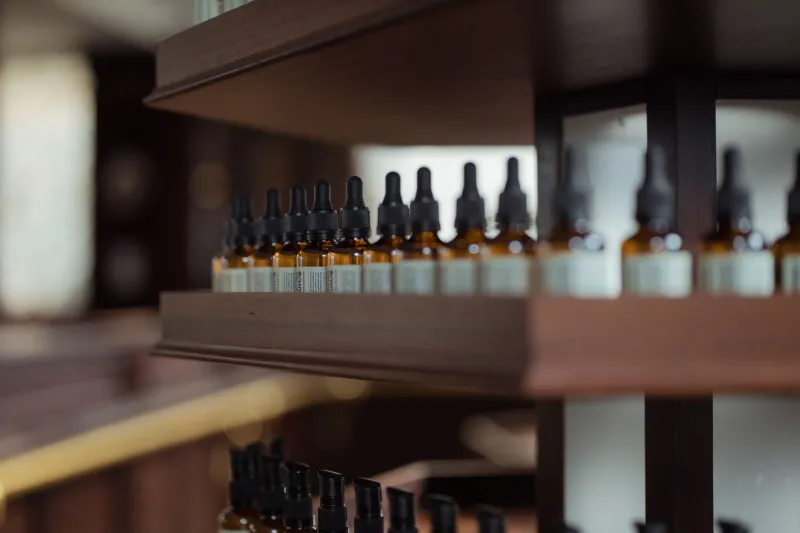
Light exposure is probably the sneakiest offender. UV rays break down cannabinoids at a molecular level — this is why reputable CBD products typically come in dark amber or opaque packaging. If you've been storing your gummies in a glass jar on a sunny countertop because they look cute there, you may be losing potency faster than you think.
Heat accelerates the chemical breakdown of CBD and can also affect the carrier oils and other ingredients in the gummy matrix. Gummies left in a hot car, near a stove, or even in a bathroom cabinet that gets steamy from showers are all at risk. The ideal temperature range for CBD storage is generally between 60–70°F — which, for most Americans, means a cool drawer or pantry, not a medicine cabinet.
Oxygen exposure kicks off a process called oxidation, which degrades cannabinoids over time. Every time you open your bottle, you're introducing fresh oxygen. This is why some premium brands use nitrogen-sealed packaging or include desiccant packets — it's not just fancy marketing.
Extraction Method Matters More Than You Think
Not all CBD is created equal going into the gummy, which affects how it holds up over time.
CO2 extraction — widely considered the gold standard — produces a cleaner, more stable cannabinoid profile. The resulting CBD tends to oxidize more slowly and maintain consistency longer than CBD extracted through cheaper solvent-based methods.
Broad-spectrum and full-spectrum products introduce additional plant compounds — terpenes, flavonoids, minor cannabinoids — that can either support or complicate shelf stability. Terpenes in particular are volatile and tend to degrade faster than CBD itself. This is worth knowing if you've switched from isolate to full-spectrum and noticed the effects feel different after a few months; it may not be your tolerance — it may be terpene degradation.
Isolate-based gummies, by contrast, tend to have slightly more predictable degradation curves precisely because there are fewer variables at play.
Ingredient Interactions: The Overlooked Variable
The other ingredients in your gummy — the ones that make it chewy, sweet, and palatable — can also influence how long the CBD stays effective.
Gelatin or pectin bases, natural sweeteners, and added functional ingredients like melatonin, vitamin D, or adaptogens each come with their own stability profiles. When those ingredients start breaking down, they can accelerate changes in the overall product. A gummy that's become sticky, crystallized, or noticeably different in texture is often telling you something about ingredient degradation, even if the CBD itself hasn't fully expired.
Preservatives (or the lack thereof) play a role here too. Clean-label products with minimal preservatives are often preferable from a wellness standpoint, but they do tend to have shorter windows of peak efficacy. That's a tradeoff worth knowing about.
Signs Your Gummies Have Lost Their Edge
Beyond the expiration date, here are some practical signals that your CBD gummies may no longer be performing at full strength:
- Texture changes: Gummies that are harder, stickier, or have developed a grainy surface may have experienced ingredient breakdown.
- Color shifts: Significant fading or darkening can indicate oxidation or light damage.
- Muted flavor: Terpenes contribute to flavor in full-spectrum products. A noticeably blander taste can signal terpene loss.
- Reduced effects: This one's subjective, but if you've been consistent with dosing and your usual results feel less noticeable, degradation is worth considering before you assume your tolerance has spiked.
- Off smell: Any sour, rancid, or unusual odor is a clear sign to toss the bottle.
How to Actually Maximize Shelf Life
A few practical habits can meaningfully extend how long your gummies stay effective:
Store in a cool, dark place. A kitchen drawer away from the stove, or a pantry shelf, is ideal for most households. Avoid the bathroom entirely.
Keep the lid tight. Sounds obvious, but minimizing oxygen exposure every time you close the bottle adds up. Some people even transfer gummies to a smaller container as the bottle empties, reducing the air-to-product ratio.
Avoid the fridge — usually. Refrigeration can work, but condensation inside the bottle when you take it in and out can introduce moisture, which creates its own problems. If you do refrigerate, let the bottle come to room temperature before opening.
Buy what you'll actually use. Buying in bulk seems economical, but a six-month supply sitting on a shelf isn't a bargain if the last two months are at half potency. Matching your purchase size to your actual usage pace is underrated advice.
Check the COA date. A Certificate of Analysis from a third-party lab tells you when the product was tested and at what potency. If a brand can't provide a recent COA, that's worth factoring into your trust level.
When It's Actually Time to Replace Your Bottle
If your gummies are past the expiration date and showing physical changes and you've noticed reduced effects — that's a clear three-for-three signal to replace them. But even without all three, if you've had an open bottle for more than a year, or if it's been stored in less-than-ideal conditions, starting fresh is probably worth it.
The good news: CBD gummies that are past their prime aren't typically harmful — they're just less effective. The degraded compounds aren't going to hurt you; they're simply not delivering what the label promised.
At HealthFlux CBD, we think you deserve to get every bit of what you're paying for. Understanding what affects potency isn't just nerdy supplement trivia — it's the difference between a daily habit that actually works and one that's quietly underdelivering. Keep it stored right, buy smart, and pay attention to what your body's telling you. Your wellness routine will thank you for it.